
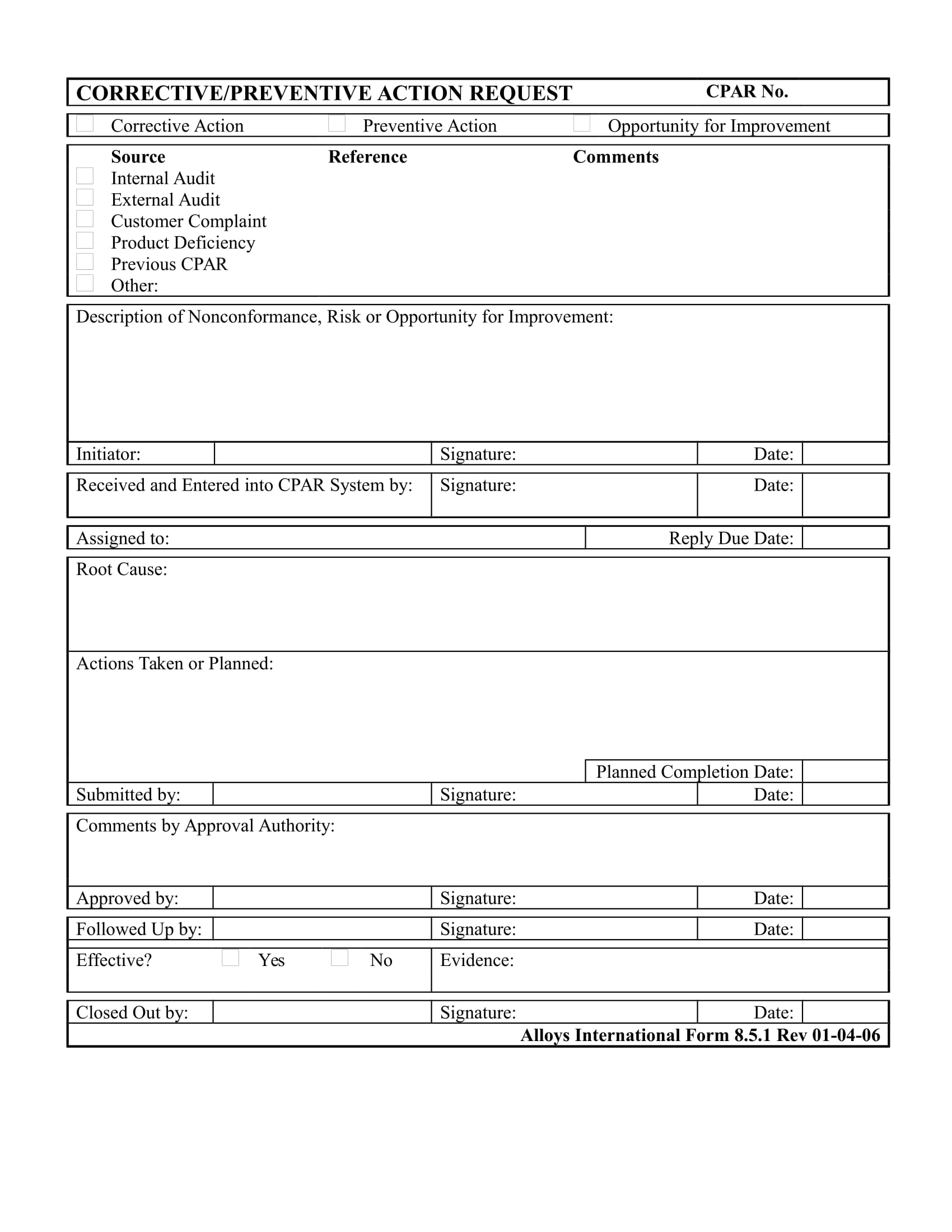
The Importance of Preventive Requests in the Modern Legal Landscape
In recent years, the concept of Preventive Request has gained traction within the legal community and among individuals facing legal challenges. As the world becomes increasingly interconnected, the need for proactive legal measures has never been more apparent. This article delves into the nature of preventive requests, their importance, and how they can be leveraged to mitigate legal risks and safeguard individual rights.
Understanding Preventive Requests
Preventive requests are preemptive actions taken to circumvent potential legal troubles down the line. These requests are often filed with authorities or organizations to ensure that an individual’s rights are protected before any adverse action is taken against them. The rationale behind preventive requests is rooted in the idea that it is better to prevent a situation than to react to it after it has occurred.
Types of Preventive Requests
Preventive requests can take various forms, depending on the legal context and the nature of the potential threat. Some common types include:
- Legal Notices: These are formal documents sent to relevant parties to inform them of potential legal claims or disputes.
- Protective Orders: Issued by courts to prevent harm or harassment, these orders restrict the actions of individuals deemed a threat.
- Asset Freezing Requests: These requests prevent an individual from transferring or selling assets during ongoing legal proceedings.
- Data Removal Requests: In today’s digital age, individuals often seek to prevent the dissemination of personal information online, particularly if it may lead to defamation or privacy violations.
The Benefits of Filing Preventive Requests
There are several advantages to filing preventive requests. These can include:
- Early Intervention: Taking action before a problem escalates can help to resolve issues amicably and avoid costly litigation.
- Protection of Rights: Preventive requests serve to safeguard an individual’s rights and interests, ensuring that they are not unjustly affected by external factors.
- Reputational Management: By addressing potential legal issues proactively, individuals can maintain their reputations and avoid negative publicity.
- Clarity and Certainty: Filing a preventive request can clarify legal standings and reduce ambiguity, thus ensuring that all parties are aware of their obligations and rights.
Challenges and Considerations
While preventive requests can be beneficial, they are not without their challenges. Individuals need to consider:
- Legal Complexity: Understanding the legal framework surrounding preventive requests can be complicated, requiring individuals to seek legal counsel.
- Costs Involved: Filing a preventive request can incur legal fees, which may be a barrier for some individuals.
- Potential Backlash: In some cases, filing a preventive request might lead to backlash or retaliation from the opposing party.
When Should You Consider a Preventive Request?
Individuals should consider filing a preventive request when they anticipate potential legal issues that might harm their interests. Common scenarios where preventive requests are applicable include:
- When dealing with business disputes or anticipated conflicts with partners.
- In situations involving harassment or threats, where protective orders may be necessary.
- When seeking to prevent the release of sensitive information that could damage one’s reputation.
- During divorce proceedings or custody disputes to ensure rights are protected.
How to File a Preventive Request
The process of filing a preventive request can vary based on jurisdiction and the type of request being made. However, there are common steps that individuals typically follow:
- Consult with Legal Counsel: It is essential to understand your rights and the legal implications of filing a preventive request.
- Gather Documentation: Collect all relevant documents and evidence that support your request.
- Complete Necessary Forms: Depending on the type of request, appropriate legal documents need to be filled out accurately.
- Submit the Request: File the preventive request with the appropriate authority or court.
- Follow-Up: After submission, it is essential to monitor the status of the request and respond promptly to any further requirements.
The Role of Legal Professionals
Legal professionals play a crucial role in the process of preventive requests. Their expertise and knowledge of the law can help individuals navigate the complexities and ensure that requests are filed correctly. Engaging a qualified attorney is often a valuable investment, as they can provide tailored guidance based on the specifics of the case.


Conclusion
Preventive requests are an essential tool in the legal landscape, offering individuals a means to protect their rights and interests proactively. By understanding the different types of preventive requests, their benefits, and the process for filing them, individuals can better navigate potential legal challenges. In a world where legal issues can arise unexpectedly, being proactive through preventive requests is a prudent approach to safeguarding oneself.

