
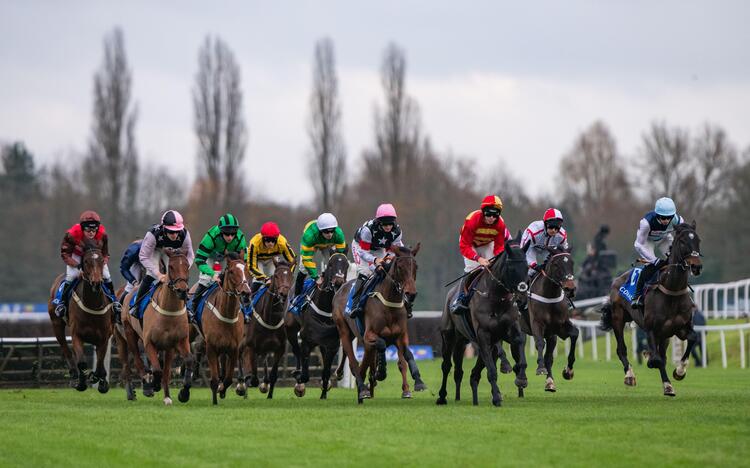
The Future of UK Horse Racing: What Happens When It’s Not on?
The world of UK horse racing is renowned for its excitement, culture, and a rich heritage that captivates millions across the globe. However, the current climate surrounding UK horse racing raises significant questions, particularly regarding events that are not taking place or have been postponed. The implications of such occurrences stretch beyond just the thrill of the races; they extend into the realms of financial investments, community engagement, and the environmental sustainability of the event. Moreover, for punters and fans seeking alternative platforms, there are UK horse racing not on GamStop horse racing betting sites not on GamStop that offer options to indulge in this beloved pastime despite tournaments being off-limits.
Understanding the Stakes Involved
UK horse racing is an industry that involves substantial stakes—both literally and metaphorically. With major events like the Grand National, Royal Ascot, and Cheltenham Festival attracting significant attention, the cancellation or postponement of these events can have a ripple effect throughout the entire sector. The economic implications are immense; racecourses, associated businesses, and stakeholders all rely heavily on the revenues generated during race days.
Impact on Betting Markets
The betting industry is one of the significant financial beneficiaries of UK horse racing. When racing events are not on, a noticeable impact is felt in the betting markets. Many punters look for alternative betting opportunities to fill the void. This unique situation creates a challenge and an opportunity for betting sites, as they must adapt to changing consumer behaviors. Some have begun to broaden their offerings, providing more niche racing events and even international races to keep bettors engaged. Other sites that cater to a broader gambling audience are likely to see an uptick in activity, thanks to punters seeking other forms of entertainment.
The Health and Safety Considerations
Another reason why UK horse racing events may not be held is due to health and safety concerns, particularly in light of recent global events. The COVID-19 pandemic forced many high-profile events to either be canceled or postponed, pushing organizers to reassess their protocols and engage in extensive planning to ensure the safety of participants and attendees. This kind of cautious approach shows a shift in how such events are organized and executed, with public health now at the forefront of planning.
The Community and Cultural Impact
Horse racing in the UK is not just a sport; it’s a cultural institution. The vibrancy of raceday experiences plays a significant role in local community engagement. Many towns in the UK thrive on racing events, with local businesses, eateries, and hotels benefitting immensely from race-goers. The absence of these events can lead to community stagnation and even financial struggles. Local economies that depend on the influx of tourists and punters may find themselves grappling with significant long-term repercussions due to the absence of this custom.

Alternative Engagements and the Rise of Virtual Racing
With the uncertainty surrounding live events, innovative solutions have emerged in the form of virtual racing and online simulations. These provide businesses with a means to keep audiences engaged and allow punters to continue placing bets, albeit in a different format. Virtual racing has gained popularity, offering a new twist on traditional betting while utilizing advanced technology to simulate real-life racing conditions. Some enthusiasts appreciate the novelty and randomness that virtual events offer, promoting a different kind of engagement with the betting community.
Future Trends in Horse Racing
As the industry continues to adapt to ongoing changes, several trends may reshape the future of UK horse racing. This includes increased emphasis on sustainable racing practices, the integration of technology in betting and race tracking, and a focus on enhancing the overall customer experience. By leveraging data analytics and customer feedback, racecourses and betting companies can better understand their audiences and make informed decisions to draw them back in during turbulent times.
Engaging with This Historic Sport
Despite the challenges presented by events not taking place, the resilience of the UK horse racing community remains evident. Fans and industry professionals alike continue to advocate for the sport, looking for ways to enhance engagement, develop exciting new formats, and attract a broader audience. Participation can also extend beyond the track; local racing clubs continue to operate, welcoming newcomers and experienced enthusiasts to enjoy the camaraderie of horse racing.
Moreover, advancements in online communities and social media platforms provide opportunities for fans to connect over shared interests, discuss races, and exchange betting tips, even when physical events are not happening. By capitalizing on these social elements, the horse racing community can ensure that the spirit of the sport endures, no matter the challenge at hand.
Conclusion
In conclusion, while UK horse racing events not taking place poses significant challenges, it also opens doors for innovative engagement and adaptation by industry stakeholders. The landscape may be changing, but the passion for this historic sport remains strong. As stakeholders work towards revitalizing live events and enhancing their offerings, the future of UK horse racing can transform into a more inclusive and sustainable environment for all involved.

